

10 Best Industries for AI Influencers
- Curt Dalton
- Jul 10
- 6 min read

A beauty launch needs fresh content every week. A fintech brand needs trust without sounding stiff. A travel company needs aspirational storytelling at scale. That is exactly why the best industries for AI influencers are not random categories - they are sectors where brand consistency, audience engagement, and content velocity directly affect revenue.
AI influencers perform best when a brand needs more than a face. They work when the persona becomes a strategic asset - one that can educate, demonstrate, entertain, and convert across channels without the production bottlenecks of traditional creator partnerships alone. The strongest fit is not always the loudest category. It is the industry where a digital persona can hold attention, stay on-brand, and produce repeatable commercial value.
What makes the best industries for AI influencers?
The best-fit industries usually share four traits. They rely on visual or narrative-led marketing, need a steady stream of social content, benefit from audience trust, and operate in markets where brand identity matters as much as product features.
That does not mean every company in these sectors should deploy an AI influencer in the same way. A fashion label may use one for editorial-style campaigns and live shopping content, while a legal brand may use a more restrained digital spokesperson for educational clips and thought leadership. The opportunity is broad, but the execution has to match audience expectations.
1. Beauty and skincare
Beauty is one of the clearest answers to the question of the best industries for AI influencers. The category already runs on tutorials, transformations, product education, and repeat visual engagement. An AI influencer can deliver all of that with exceptional consistency.
For beauty brands, the advantage is not just aesthetics. It is campaign control. A branded persona can demonstrate routines, explain ingredients, introduce launches, and adapt to seasonal promotions without changing tone or quality. That helps brands maintain a recognizable presence while producing content at the pace social platforms demand.
There is one trade-off. Beauty audiences are sharp. If the content feels overly synthetic or detached from real skincare concerns, performance will drop. The persona has to feel authentic to the brand and grounded in believable use cases.
2. Wellness and lifestyle
Wellness sits at the intersection of aspiration and trust, which makes it a strong environment for AI influencers when handled with care. Brands in supplements, fitness accessories, mindfulness, healthy routines, and lifestyle products all benefit from ongoing storytelling rather than one-off promotions.
A digital persona can embody a philosophy - calm, disciplined, energized, balanced - and translate that into repeatable content themes. Morning rituals, product pairings, habit-building content, and community-led motivation all become easier to scale.
The nuance here is credibility. Wellness messaging can move into sensitive territory fast. Brands need a persona strategy that inspires and educates without making questionable claims. The right execution feels premium and helpful, not exaggerated.
3. Fashion and apparel
Fashion thrives on image, identity, and frequency. Collections change quickly, trends move faster, and content fatigue is constant. This makes fashion one of the highest-potential industries for AI influencer deployment.
An AI influencer gives apparel brands a controllable style ambassador that can showcase drops, model looks, create campaign narratives, and support ecommerce merchandising across social channels. It also opens room for more experimental creative direction. A brand can build a persona around a specific aesthetic and maintain that identity through every launch.
Still, fashion is not only about polished visuals. Culture matters. If the persona lacks point of view, the content will feel generic. Strong performance comes from a clear creative identity, not just attractive outputs.
4. Ecommerce and live shopping
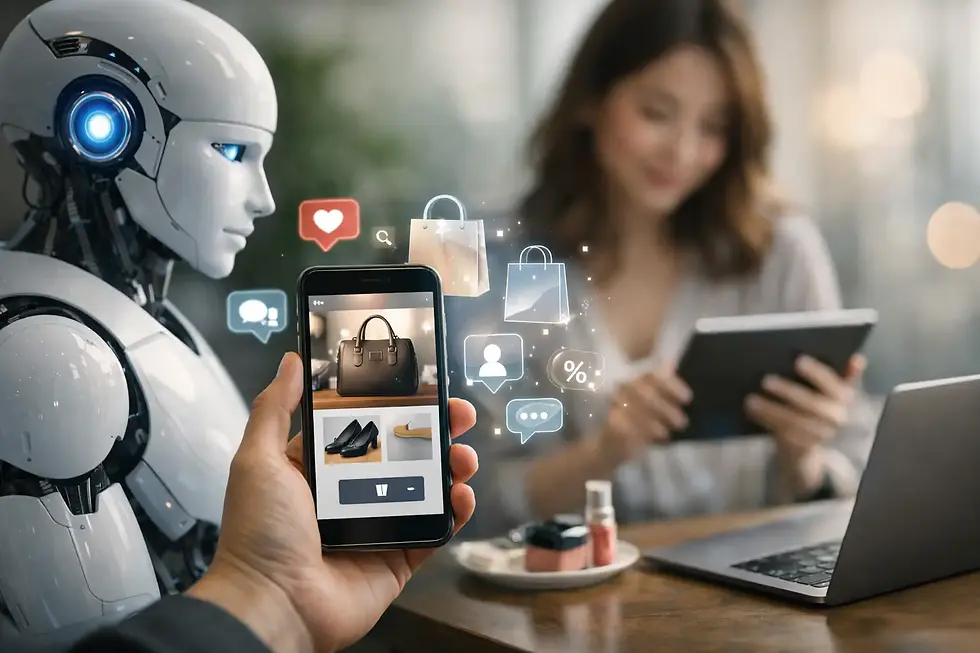
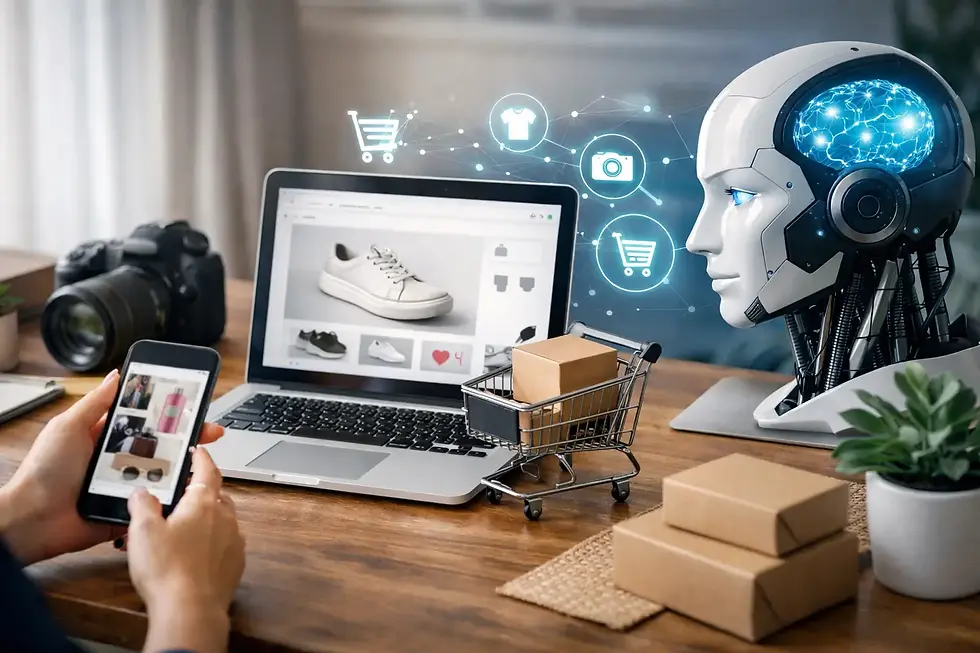
For ecommerce operators, the value is immediate. AI influencers can serve as high-frequency product presenters, unboxers, explainers, and promotional hosts. That matters when your business depends on keeping products visible and conversion-focused content in market.
This is especially powerful in live shopping formats and social commerce campaigns. A digital persona can demonstrate products, answer common questions through scripted interactions, and support evergreen promotional storytelling that feels more engaging than standard product ads.
Not every ecommerce brand needs a full character universe, though. Sometimes the most effective approach is a focused branded spokesperson built around product education and conversion. The sophistication should match the catalog, audience, and sales funnel.
5. Travel and hospitality
Travel sells emotion before it sells logistics. People book a destination because they can picture themselves there. That makes hospitality, tourism, and travel experiences a natural fit for AI influencer campaigns built around immersive storytelling.
A well-designed persona can guide viewers through destinations, highlight amenities, present itinerary ideas, and create a branded travel identity that keeps content fresh long after a single shoot would have ended. Hotels, resorts, travel platforms, and destination brands all benefit from that kind of scalable aspiration.
The caution is obvious. Travel audiences want believable inspiration. If the visuals or stories feel artificial, the campaign loses persuasive power. The persona needs to feel like a compelling host, not a digital gimmick.
6. Tech, SaaS, and consumer electronics
Tech brands often struggle with a familiar problem - their products are powerful, but their marketing can become cold or overly technical. AI influencers help close that gap by turning complex features into watchable, repeatable content.
For SaaS platforms, apps, devices, and consumer electronics, a digital persona can handle tutorials, onboarding clips, feature walkthroughs, launch teasers, and educational social content with a more humanized tone. That is especially useful for brands trying to make innovation feel accessible rather than intimidating.
The fit is strongest when the persona is aligned to the product category. A playful character may work for consumer gadgets, while a more polished, informed presence may suit software and B2B tools. The persona is part of the positioning strategy, not just the creative package.
7. Finance and fintech
Finance is one of the more interesting categories because it has both huge upside and stricter expectations. Fintech brands, investing platforms, payment companies, and financial education businesses need clarity, trust, and consistency. AI influencers can support that by acting as branded educators and campaign faces that simplify complex topics.
This works particularly well for explainer content, product demos, and audience engagement around financial literacy. A controlled digital persona gives brands more precision over tone, compliance-aware messaging, and visual identity than many traditional influencer arrangements.
But this is not a category for overhype. If the persona feels too flashy or makes the brand seem less credible, the effect reverses quickly. In finance, sophistication beats spectacle.
8. Arts, culture, and entertainment
Arts and culture brands need presence, personality, and story. Museums, galleries, music projects, entertainment campaigns, and cultural events all benefit from characters that can carry a narrative and build anticipation over time.
An AI influencer can function as a curator, host, commentator, or fictional extension of the brand world. That opens room for richer campaign storytelling, especially when the objective is not only awareness but emotional connection.
This is one of the most creatively flexible sectors, but it still requires strategic discipline. Artistic freedom performs best when tied to a clear campaign objective, whether that is ticket sales, audience growth, merchandise movement, or event engagement.
9. Luxury and premium consumer brands
Luxury marketing depends on precision. Every image, phrase, and interaction shapes perception. That is why AI influencers can be especially effective in premium categories where control over brand image matters as much as reach.
For jewelry, premium fashion, fragrance, design-led consumer goods, and high-end lifestyle products, a digital persona can sustain an elevated aesthetic while delivering content at a scale that would be difficult through traditional production alone. The right persona becomes an extension of the brand universe.
The risk is obvious: if the execution feels cheap, the brand pays for it in perception. Luxury requires exceptional art direction, disciplined storytelling, and a persona that truly belongs in the category.
10. B2B innovation and professional services
This is the category many brands overlook. AI influencers are not limited to consumer products. In B2B innovation, consulting, legal-adjacent education, and professional services, they can operate as polished digital thought leaders who make expertise more visible and more consistent.
That might look like short-form insight videos, service explainers, event promotion, founder-message amplification, or niche educational content. For brands selling credibility, the value is not novelty. It is consistency, speed, and message control.
Of course, the persona has to be designed with restraint. In professional sectors, authority is earned through clarity and relevance. A theatrical character may hurt performance where a composed, intelligent spokesperson would succeed.
How to choose the right industry fit
The better question is not simply whether your sector belongs on a list of the best industries for AI influencers. It is whether your audience responds to persona-led content and whether your brand can turn that persona into a working asset.
If your marketing depends on visual demonstration, repeated storytelling, product education, or a recognizable social identity, the opportunity is strong. If your category is highly regulated or trust-sensitive, the opportunity still exists, but the persona must be more carefully positioned. In many cases, the biggest wins come from brands that treat AI influencers as part of a broader content and conversion system rather than a standalone stunt.
For companies ready to move beyond inconsistent creator sourcing and one-off campaign production, that shift changes the economics of attention. A tailored digital persona can become the brand voice people remember, the content engine teams can actually scale, and the influencer presence that keeps performing long after a single post would have faded. That is where this stops being interesting technology and starts becoming smart marketing.

Comments